Dr. Pradeepta Kumar Sethy, Director Gastroenterology, Manipal Hospital Mukundupur & EM Bypass
As summer approaches, social media platforms are flooded with diet trends promising rapid weight loss, detoxification, glowing skin, and improved energy. From juice cleanses and extreme intermittent fasting to “cooling” diets and high-protein meal plans, many individuals, especially young adults, are increasingly influenced by online wellness content. However, health experts warn that blindly following such trends without understanding their impact on digestive health can do more harm than good.
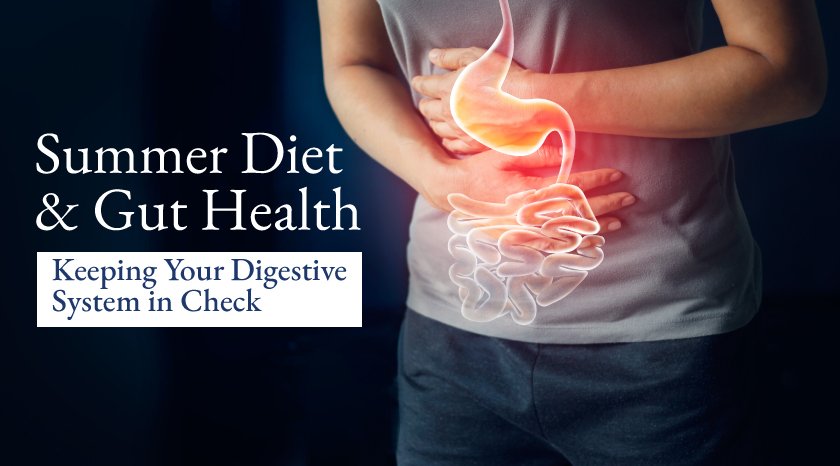
The gut plays a central role in digestion, immunity, metabolism, and even mental health. Sudden dietary changes, often promoted by influencers without medical expertise, can disrupt the delicate balance of gut bacteria, known as the gut microbiome. This imbalance may lead to bloating, acidity, constipation, diarrhea, abdominal discomfort, and nutritional deficiencies.
One of the most common summer trends is detox diets involving only fruit juices or liquid meals for several days. While these may appear refreshing, they are often low in protein, fibre, and essential nutrients. Excessive fruit juices can increase sugar intake, causing fermentation in the gut and worsening bloating or loose motions. Similarly, highly restrictive diets can slow digestion and negatively affect gut motility.
Intermittent fasting is another popular trend widely discussed online. Though medically supervised fasting may benefit certain individuals, prolonged fasting during hot weather can lead to dehydration, acid reflux, dizziness, and gastric irritation. In summer, the body loses fluids and electrolytes more rapidly through sweat, making balanced hydration extremely important.
Another growing concern is the excessive intake of protein powders and high-protein diets promoted for “summer body goals.” Overconsumption of protein, especially without adequate fibre and water intake, may strain digestion and contribute to constipation, acidity, and altered gut bacteria. Processed protein supplements may also contain artificial sweeteners that trigger gas and digestive discomfort in sensitive individuals.
Experts advise that instead of following viral diet trends, people should focus on sustainable eating habits that support gut health. A balanced summer diet should include seasonal fruits, vegetables, whole grains, curd, buttermilk, coconut water, and adequate hydration. Fermented foods like yogurt help maintain healthy gut bacteria and improve digestion.
Doctors also emphasize the importance of food safety during summer, as high temperatures increase the risk of food contamination and gastrointestinal infections. Avoiding stale food, maintaining hygiene, and consuming freshly prepared meals are essential preventive measures.
Health professionals recommend consulting a qualified dietician or gastroenterologist before making major dietary changes. While social media can spread awareness about healthy living, not every trending diet is scientifically safe or suitable for everyone. A personalized and balanced approach remains the key to maintaining good gut health during the summer season.