
Preview For The Abanindranath Tagore’s Exhibition
Abanindranath Tagore’s disciples were the primary architects of the Bengal School of Art, championing a nationalist, revivalist aesthetic that synthesized traditional Indian miniature styles, Ajanta murals, and East Asian wash techniques. Abanindranath Tagore (7 August 1871 – 5 December 1951) was a transformative Indian artist, writer, principal founder And The creator of Bengal School. Widely regarded as the creator of modern Indian painting, he was the first major exponent of Swadeshi (indigenous) values in Indian art, successfully countering the dominant British academic realism of the colonial era. He belonged to the distinguished Tagore Family and was a nephew of the Nobel laureate poet Rabindranath Tagore.
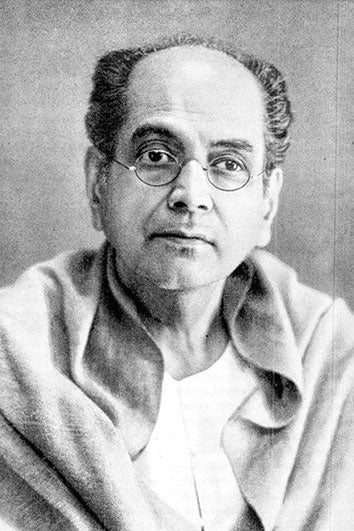
Nandalal Bose: Regarded as the second major painter of the Bengal School, he became the principal of Kala Bhavana at Santiniketan and illustrated the original Constitution of India. Learn more about his legacy on the Testbook Q&A board.
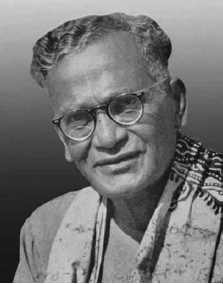
Asit Kumar Haldar: Known for his lyrical paintings and contributions to the revivalist movement, he later became the first Indian principal of the Government School of Arts and Crafts in Lucknow.
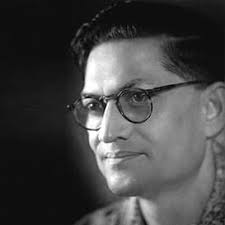
Kshitindranath Majumdar: Highly recognized for his spiritual and mythological paintings, particularly his emotive depictions of Lord Chaitanya.
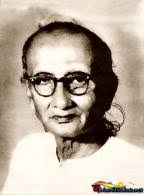
Jamini Roy: Renowned for blending traditional Indian folk art with modernism to create a uniquely indigenous alternative.
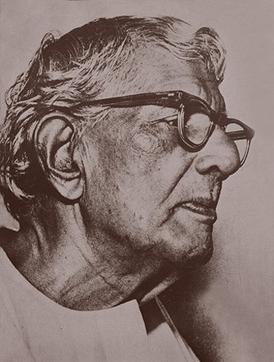
Mukul Dey: A pioneer in etching and printmaking in India, capturing rural landscapes and famous cultural figures of the early 20th century.