“DNA and Diet” Hosted By Indian Barcode of Life
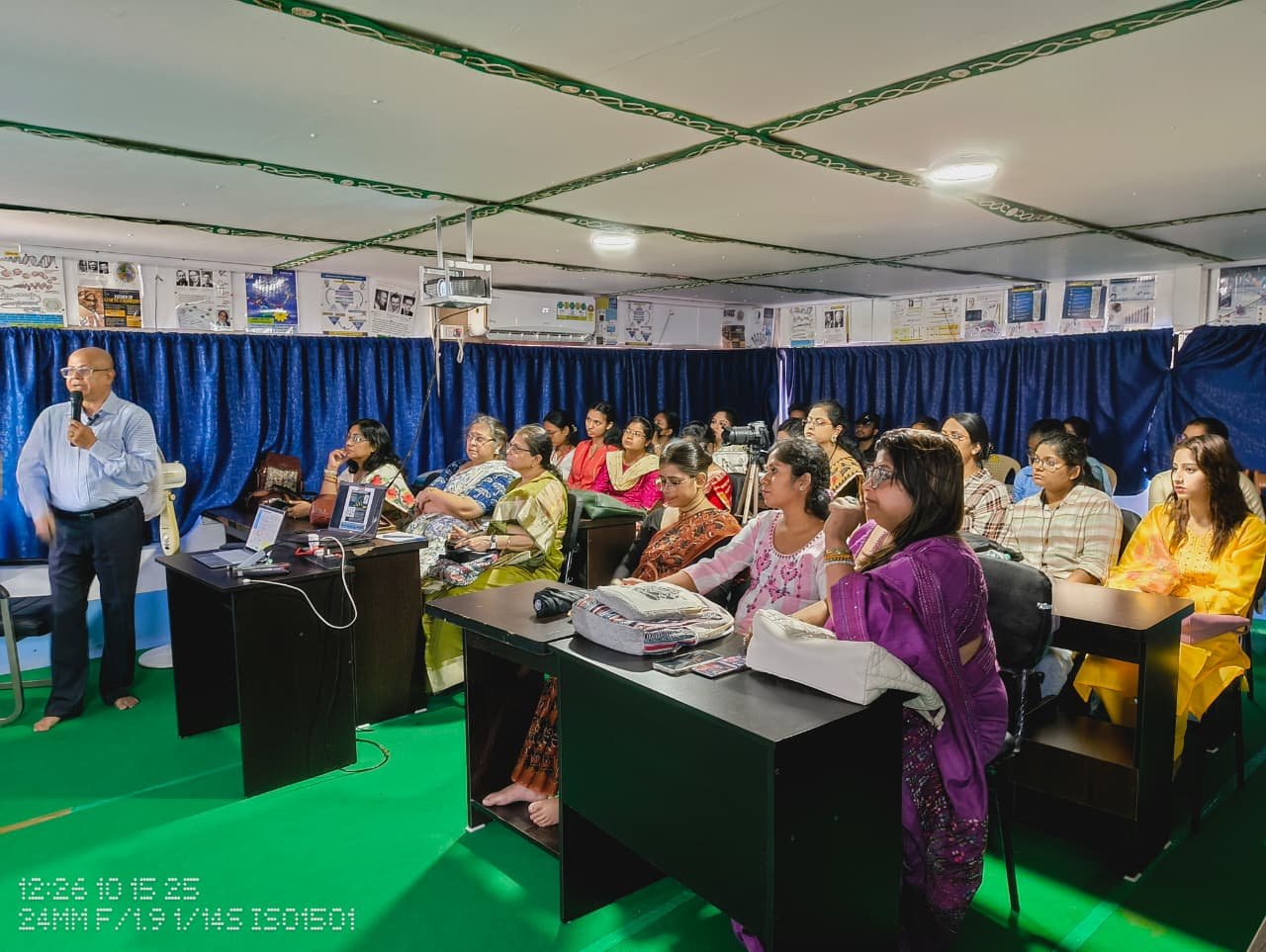
The Indian Barcode of Life (InBOL) hosted a groundbreaking workshop titled “DNA and Diet”, bringing together leading scientists and health experts to explore the intersection of genetics and nutrition. Held at InBOL’s research facility, the event attracted a diverse audience of researchers, students, and health professionals eager to understand how personalized nutrition can transform health outcomes.
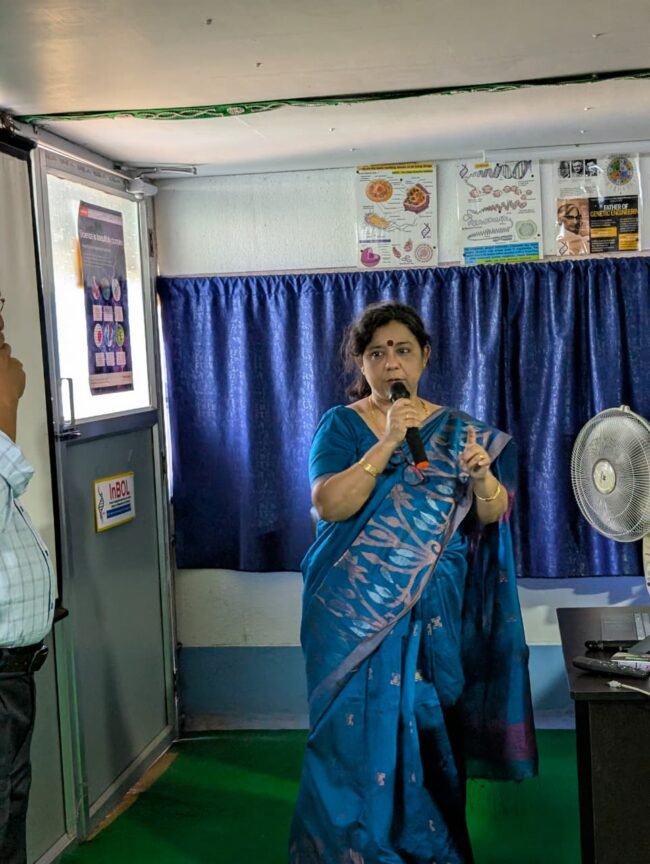
The seminar commenced with an insightful opening speech by Mrs. Anamita Ghosh, Nutritionist and Director of InBOL. She emphasized the critical importance of diet in maintaining health and preventing disease, and introduced the concept of DNA as a guiding tool for personalized nutrition. Her remarks set the tone for the day, highlighting how genetic insights can revolutionize dietary planning and empower individuals to make informed nutritional choices tailored to their unique biological makeup.
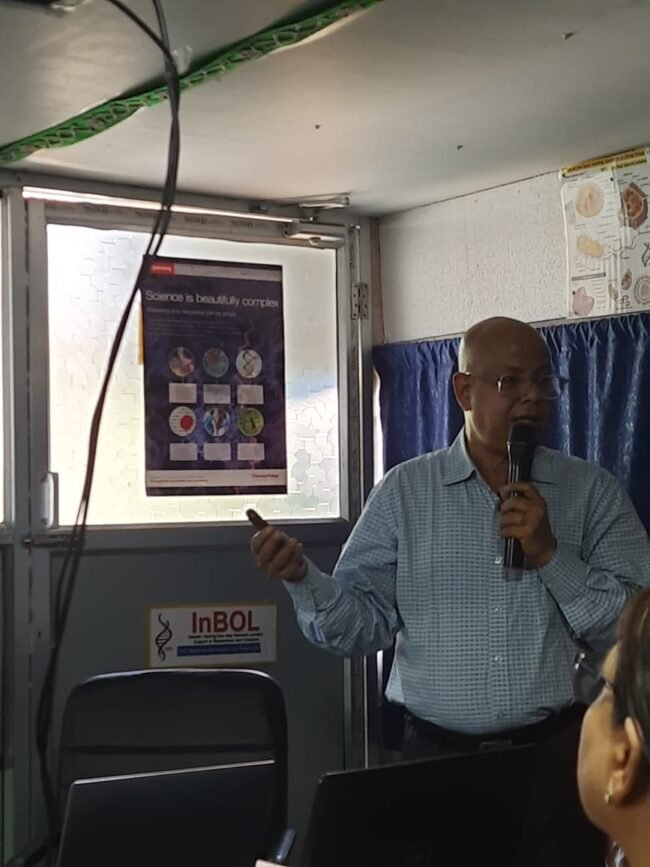
The seminar opened with a keynote lecture by Prof. Sankar Kumar Ghosh, Founder of InBOL and a pioneer in the field of Nutrigenomics and Nutrigenetics. Prof. Ghosh emphasized how diet is intricately linked to genetic makeup, influencing everything from metabolism to disease susceptibility. He explained that understanding one’s genetic profile can help tailor dietary choices to optimize health, prevent chronic conditions, and even manage inherited disorders. His lecture highlighted the future of personalized nutrition, where DNA-based dietary recommendations could become mainstream.

Following this, Dr. Biswajit Bera, former Director of the Tea Board of India and Principal Scientist at InBOL, delivered a compelling talk on the health benefits of tea. Drawing from decades of research, Dr. Bera discussed how various compounds in tea -such as polyphenols and catechins-play a role in reducing inflammation, improving gut health, and supporting cardiovascular function. He also shared insights into how regular tea consumption can complement genetic predispositions to certain health conditions, making it a valuable component of a balanced diet.

Dr. Mita Shukla, a Clinical Nutritionist and Dietitian with 34 years at Fortis Hospital, attended the seminar and shared her expert insights. Her valuable contributions inspired attendees and added depth to the discussion, reflecting her extensive experience and commitment to advancing nutritional health. The seminar also featured interactive sessions led by distinguished guests including Jayati Datta from Jayatis Wellness, Sumona Mondal from IDA (Indian Dietatic Association), and Mitali Palodhi Vice President of Indian Dietic Association. These sessions focused on practical dietary strategies to manage and prevent conditions such as lactose intolerance, obesity, diabetes, and gut microbiome imbalances. Ishani Ganguly of FSTN Exploration Foundation presented a case study on lactose intolerance in two children, highlighting digestive challenges linked to milk consumption. The study emphasized symptoms, diagnostic approaches, and dietary adjustments tailored to early childhood. It underscored the importance of awareness and timely intervention to manage lactose intolerance in young children effectively. Dr. Barnali Ray Basu, Associate Professor at Surendranath College, shared her positive experience with InBOL, highlighting how it significantly supported and enhanced her research journey. She emphasized its valuable role in facilitating her academic work and scientific exploration. Participants engaged in lively discussions, asking questions and sharing personal experiences, while the experts provided evidence-based guidance rooted in both nutritional science and genetic research.

In addition to the lectures, InBOL scientists conducted a special session showcasing the organization’s services in nutrigenomics and nutrigenetics. They presented case studies and lab data, demonstrating how genetic analysis can inform dietary interventions. Attendees learned about InBOL’s cutting-edge technologies, including DNA sequencing and bioinformatics tools, which enable precise nutritional profiling.
The seminar concluded with a guided lab tour, where participants had the opportunity to explore InBOL’s state-of-the-art facilities. Scientists demonstrated various instruments used in genetic testing and explained how samples are processed and analyzed. This hands-on experience gave attendees a deeper appreciation of the scientific rigour behind nutrigenomic research.
